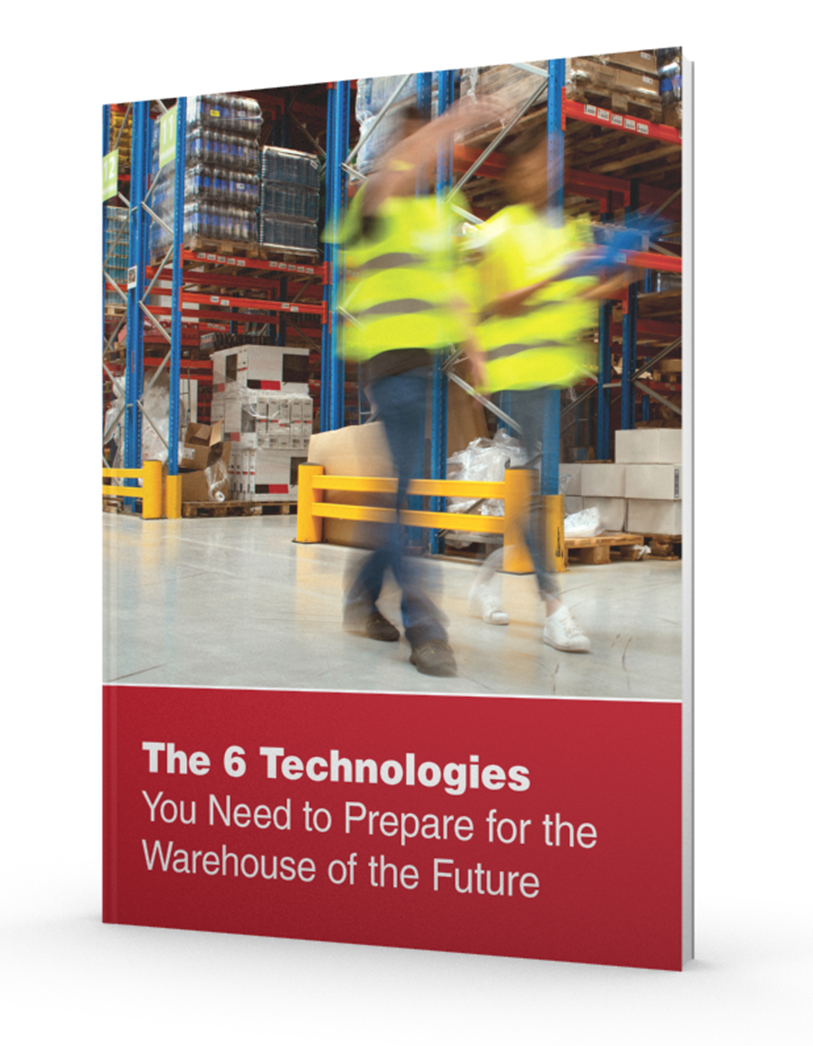
E-commerce has ballooned into a $2.3 trillion global market, and completely reshaped shopper expectations. Consumers today expect a faster purchasing journey, instant buying opportunities, and the flexibility to purchase and return goods across multiple channels with the same retailer. This in turn is affecting the retail ecosystem and presenting unique challenges to supply chain management.
Zebra Technologies recently published a report on how e-commerce and omnichannel retail are affecting logistics operations – “Reinventing the Supply Chain: The Future of Fulfillment Vision Study.”
According to the study, many retailers are unprepared for the demands of omnichannel operations. Omnichannel retail takes the idea of cross-channel selling – leveraging in-person/in-store sales with e-commerce, mobile commerce, and other variations (like pop-up stores) – and enhances it with technology so that the consumer has a seamless experience across all channels. Ideally, store associates at the brick-and-mortar location would know a customer’s online shopping habits and vice versa. Items could be ordered online and picked up at a store, or ordered at the store and shipped to a consumer’s home.
But even retailers with healthy e-commerce or mobile commerce sales are often operating multiple supply chain silos when it comes to inventory management, customer data, and logistics (including returns management).
According to Zebra’s data, although an estimated 73% of consumers are omnichannel shoppers today, only 39% of supply chain respondents believe they’re operating at an omnichannel level. And more than half of companies surveyed are managing omnichannel logistics with pen and paper.
Future-Proof with Intelligent Fulfillment
In order to meet the demands of the e-commerce/omnichannel paradigm, retailers and suppliers have to expand their use of technology to create more intelligence across the supply chain. Those investments should include:
Automated data collection: Companies can maintain a real-time view of inventory using handheld computers with built-in barcode scanners along with handheld barcode scanners to generate quick, automated inventory and product information and more rapidly fulfill orders made in-store or online.
RFID: RFID tags can provide even more granular and real-time inventory data by further automating the data collection process. RFID can exponentially increase the effectiveness of inventory management while helping to reduce out of stocks, overstocks and replenishment errors.
Business intelligence: By using Big Data and analytics, companies can more effectively optimize labor workforce management, demand forecasting and planning, and freight document handling and archiving.
Next-Gen Technologies
The Zebra report also outlines emerging, next-generation technologies that will have a big impact on the retail supply chain. According to the report, there has been a dramatic rise in the number of warehouses and distribution centers, but there is a shortage of skilled labor resources. Automation can help. According to the report:
“Next-generation supply chains will utilize robotics and automation to perform traditionally manual tasks such as picking, sorting, inspecting, storing, handling and classifying products to improve overall efficiency, worker productivity and speed to market. Some warehouses are turning to autonomous vehicles to bring merchandise to sortation and packing areas. Others are using drones and RFID for inventory management. The opportunities are seemingly limitless and include wearable technology, which enables truly hands-free, multi-modal workflows that result in greater worker efficiency and increased productivity.”
Early-stage disruptors:
Early -stage disruptors include augmented reality as part of the shopping process, as well as autonomous vehicles that can be used both within a warehouse and for last-mile delivery. Zebra’s study also expects significant growth in the use of aerial drones, autonomous ground vehicles, and droid-style vehicles delivering parcels by 2028.
Advanced disruptors:
Advanced disruptors will include machine learning systems that use artificial intelligence to improve inventory forecasting and other operations, as well as improved digital security. In addition, Zebra expects that the use of wearable mobile technology will grow by 49 percentage points by 2028.
Mainstream disruptors:
Mainstream disruptors that are already affecting the supply chain include greater use of predictive analytics, as well as 3D printers (that can be used to manufacture goods on demand) and the Internet of Things.
Imprint Enterprises can help companies select and deploy the technologies they need for a true omnichannel experience. Recently, Imprint assisted Cooper’s Hawk Wineries and Restaurants in the transformation from restaurant/retailer to distribution center in order to serve all of their Chicago locations. Contact Imprint Enterprises for assistance future-proofing your warehouse and supply chain today, and download the full study from Zebra Technologies.